
31.2
°C
Jumādá al-ākhirah 6
,
1448 AH


Cafés and Social Life
Reflections on How Place Shapes Human Connection
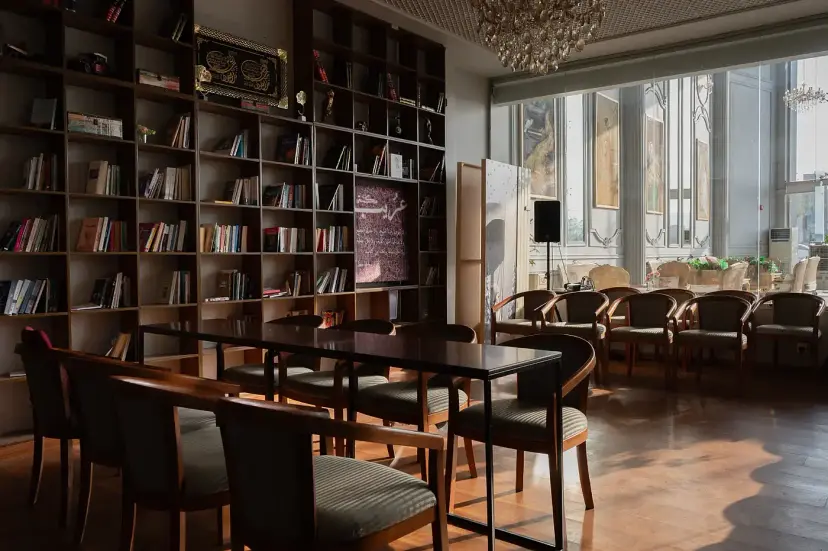
In one corner of everyday life, a café may appear as a simple space where a visitor pauses for a few moments. Yet it quickly transforms into a living scene that reflects how people interact with one another. Here, stories meet, conversations intertwine, and a sense of belonging begins to form. A café is no longer just a place to enjoy coffee or warm drinks; it has become a space for meaningful connection, shared experiences, and relationships that extend beyond a passing moment.
Within its corners, a visitor may share an idea, learn a new skill, or find a quiet refuge for relaxation and inspiration. In doing so, the café becomes an active and vital part of the social fabric of Al Madinah Al Munawarah, where individual moments blend with a collective spirit, and where dialogue, participation, and intellectual curiosity naturally come to life.
In Al Madinah Al Munawarah, as in modern cities generally, hardly a day passes without seeing someone sitting alone in a café reading, meeting friends, or waiting for an important appointment. These small moments tell a larger story about how people share space and time, and how that sharing influences the structure of society itself.
The Café… Where Stories Begin
In contemporary societies, the café is no longer simply an enclosed space known only for serving coffee. It represents what sociologists call the “third place” an environment that exists between home and work, offering people a space for informal interaction. Within this setting, relationships take shape without formal barriers, conversations begin without prior planning, and ideas meet naturally and calmly.
Each time someone enters a café, there is an opportunity for a new story. It may be a simple reflection on a challenging day, or a meaningful encounter that opens the door to collaboration or friendship.
Cafés and the Building of Social Relationships
Cafés play a central role in strengthening and renewing social connections. A single coffee gathering can turn into a long conversation, the beginning of a new relationship, or a moment of connection between neighbors. Social studies suggest that the open and fluid nature of cafés helps break down social barriers between people of different ages and cultural backgrounds.
This quality makes the café more than a place for relaxation; it becomes a daily incubator for human connection.
The Café as a Stage for Culture and Intellectual Life
Cafés have extended beyond their social function to become part of the cultural landscape as well. Historically, cafés were gathering places for writers, artists, and thinkers, a role that continues today. Contemporary cultural analyses describe cafés as genuine spaces for intellectual dialogue and discussion, far beyond being places to drink coffee.
In some modern cafés, workshops, reading circles, discussion forums, and open intellectual sessions bring knowledge naturally into everyday life.
Learning, Leisure, and Reading Inside the Café
In many communities, cafés have evolved into spaces for informal learning, hosting group reading sessions, short workshops, or book discussions among visitors. This approach transforms the café into a multifunctional environment: social, cultural, and recreational at once. Media reports have noted that such activities strengthen the bond between a café and its visitors, fostering a sense that the space belongs to them both socially and culturally.
Reading in a café, or attending a brief discussion about a book or film, represents a growing dimension of social life , one that reflects increasing interest in intellectual and cultural engagement within everyday spaces.
The Café’s Impact on Mental Wellbeing and Human Connection
Spending time in a café influences more than social relationships; it also touches psychological wellbeing. Some studies indicate that being present in a calm social environment, even without direct interaction can reduce feelings of isolation and nurture a sense of belonging.
In this way, a café’s value is measured not only by the coffee it serves, but by the comfort it provides and the informal encounters it makes possible.
The Café and the Identity of Place
Over time, cafés develop a civic identity that reflects the community they serve. Successful cafés offer more than a quality product; they build meaningful relationships with their surroundings and contribute to shaping the social character of a place.
In Al Madinah Al Munawarah, cafés extend from the city’s cultural identity, complementing its social fabric in a way that aligns with its historical and civilizational character.
Conclusion
A café is no longer simply a place to sit or enjoy a cup of coffee. It has become a living social space that reflects people’s daily lives and interactions. From brief encounters to reading sessions and cultural discussions, from building relationships to strengthening belonging, cafés demonstrate their ability to serve as active contributors to social life.
As communities aspire toward more connected and mindful living, the importance of these spaces becomes increasingly clear. The true value of a café is measured not only by what is offered within its walls, but by what it leaves beyond them in the hearts of people and in the relationships they build.
Our Updates
Stay connected to what’s happening across Madinah.
By subscribing you agree to with our Privacy Policy