
31.2
°C
Jumādá al-ākhirah 6
,
1448 AH


Memories of the Madani Home: Scenes from Our Old Houses
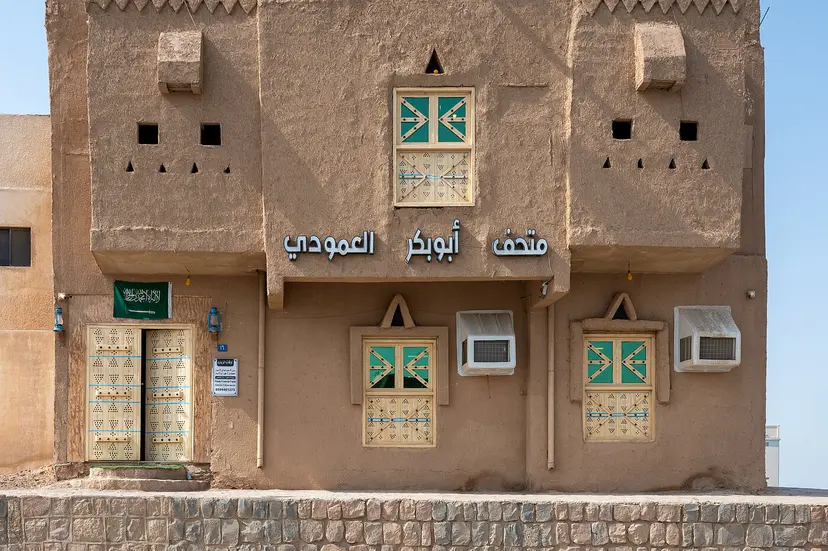
In the old homes of Madinah, the walls weren’t the only keepers of stories. Every object, however small, held meaningو each one a silent witness to an ordinary day, full of quiet depth. There, behind the door, an abaya was hung. On wooden shelves, clay pots were lined up. And the day would begin with the aroma of coffee and the voice of a grandmother calling out at dusk.
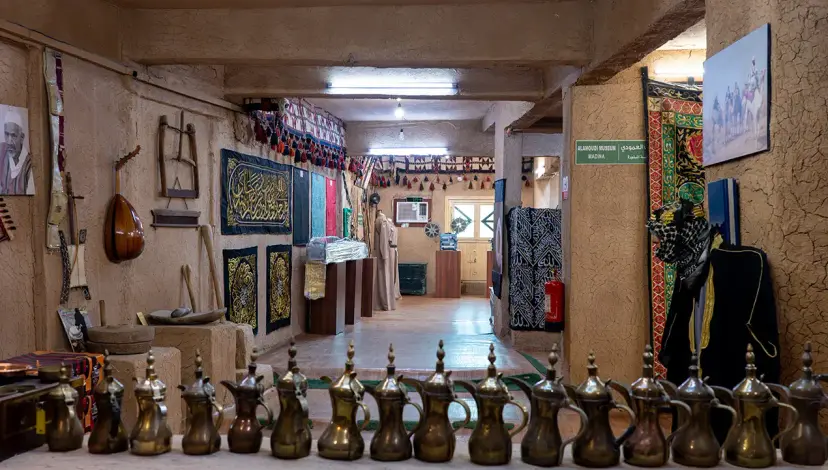
This article brings those details back, like opening an old chest to rediscover the rhythm of daily life—not as static history, but as a lived reality full of warmth and simplicity. It draws inspiration from the collection of Abu Bakr Al-Amoudi Museum, where memory becomes a journey worth reliving.
Clothing: What We Wore, What We Told
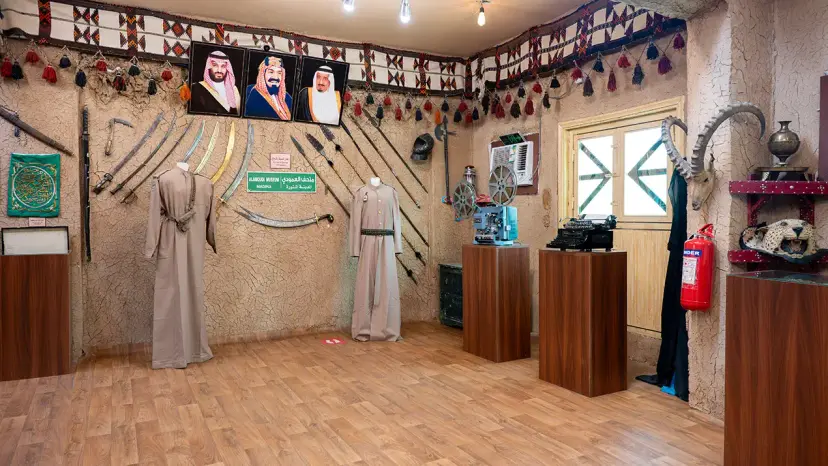
In the Madani home, clothing was more than fabric; it was a language. A light cotton thobe, quietly embroidered, was worn in the morning. A heavier abaya was saved for visits or special occasions. Children wore garments tailored to grow with them. Women, just by touch, could tell if a fabric was “for a gathering” or “just an ordinary day.”
Inside the museum, these garments stand in silence. But for those who recognize them, they whisper: this was for prayer… this was worn at a small wedding… this one, for cooking lunch while singing softly.
Household Tools: A Life Run by Hand
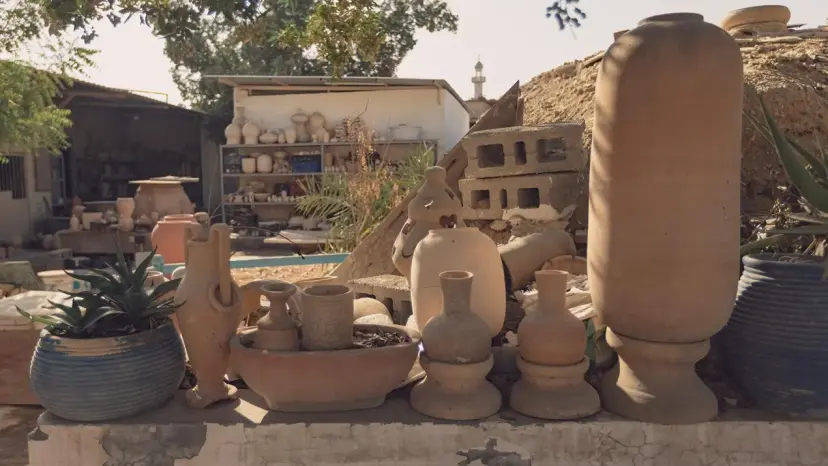
In the kitchen, there was no electricity to rush the day. Everything unfolded slowly. A copper pot, a clay dish, a wooden spoon that could gauge the heat before your hand did. The stone mill sat in the corner, not just grinding grains, but marking the passing of time.
Seeing these tools today is a reminder that the home was both a space of work and life. Skills weren’t taught; they were inherited, just like names.
Daily Routines: The Day as It Was Divided
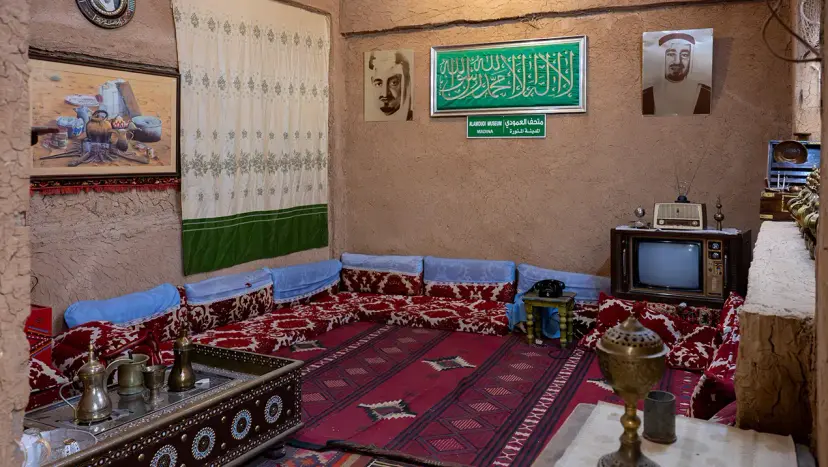
Days began early and ended early. Noon was for rest, the afternoon for visits, and the evening for stories. A floor seating area brought the family together, no screens between them, no urgency interrupting the moment.
Homes were close. Doors stayed open. And memory was made in repetition: the same path, the same greetings, the same bedtime prayer.
Why Do These Memories Matter Today?
Because younger generations aren’t only asking how people lived, but why they felt such a deep sense of belonging, it’s in the little things: a thobe, a bowl, the way a family sat together. These are what shape a place’s identity. These are what turn a city from a location into a living story.
Through its carefully curated items, photographs, and life-like displays, Abu Bakr Al-Amoudi Museum doesn’t present heritage as a relic of the past, it offers a bridge: between grandmothers and grandchildren, between question and answer, between the city as it was… and as we hope to remember it.
Our Updates
Stay connected to what’s happening across Madinah.
By subscribing you agree to with our Privacy Policy